
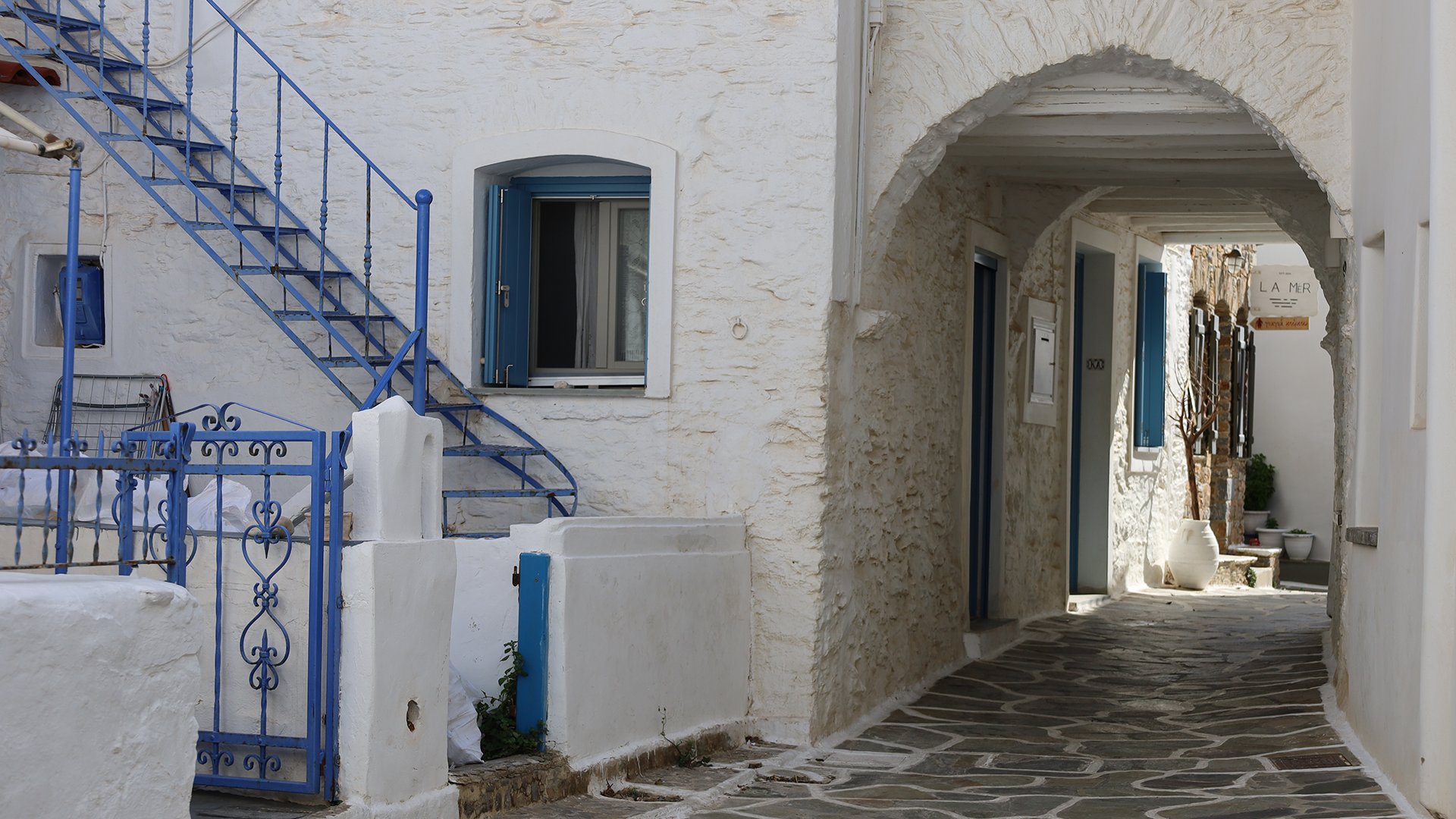
Kataste(g)i in Chora
Kataste(g)i is the covered passage for pedestrians and animals within hamlets. In Greece, these special passages are also known as diavatika or skepasta. These are
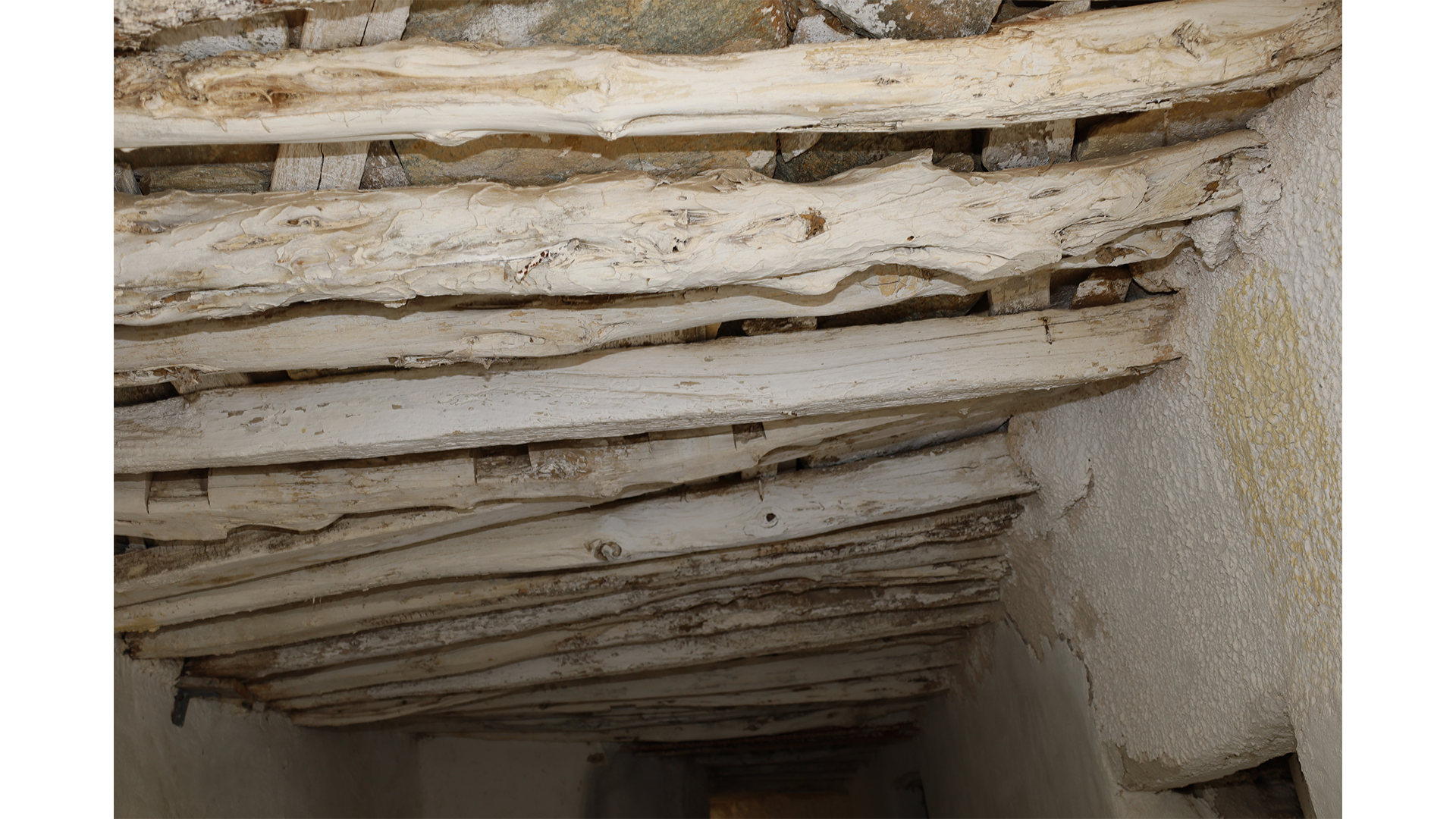
Kataste(g)i in Dryopis (narrow passage)
Kataste(g)i is the covered passage for pedestrians and animals within hamlets. In Greece, these special passages are also known as diavatika or skepasta. These are

Mathia Wash-house
Wash-houses were the laundrettes of a bygone era. Public infrastructure, absolutely necessary until halfway through the previous century, nowadays they are a unique monuments that

Pano Pigadi in Chora, Kythnos (Account: Irene Vlastari)
In the Chora of Kythnos, on the south side of the hamlet, alongside the stream, there are four large public wells (the word pigadi [well]

Small vegetable garden (Perivolaki) in a stream bed
This small vegetable garden belongs to Giannis Philippaios, also known in the village as Apithanos (the Uncanny). Giannis’ father bought if from his brother and
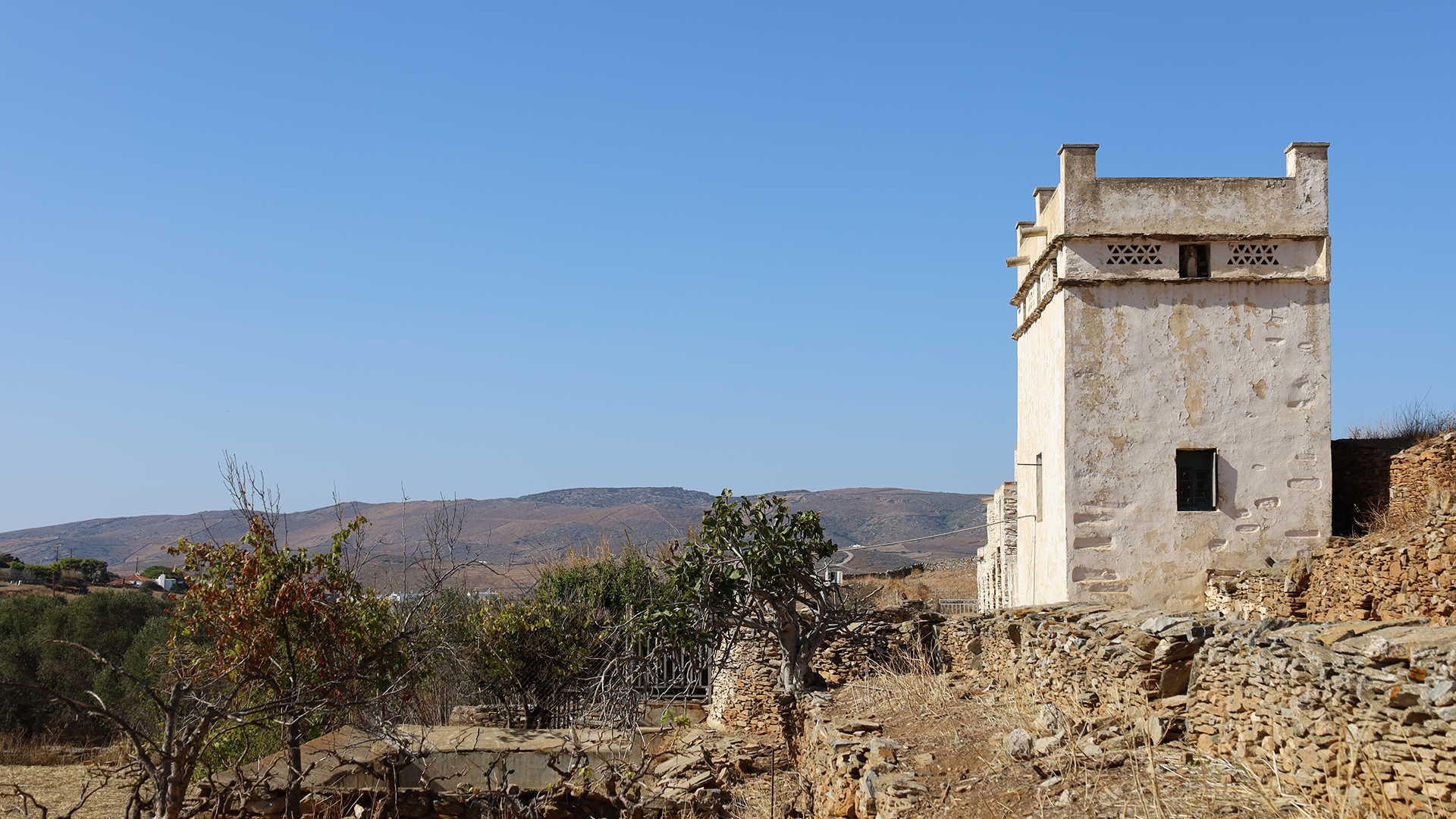
Peristeriona in Chora, Kythnos hh
There are 6 peristeriones (dove houses) in Chora. The biggest, which gave its name to the district, is in the heart of Chora, on the
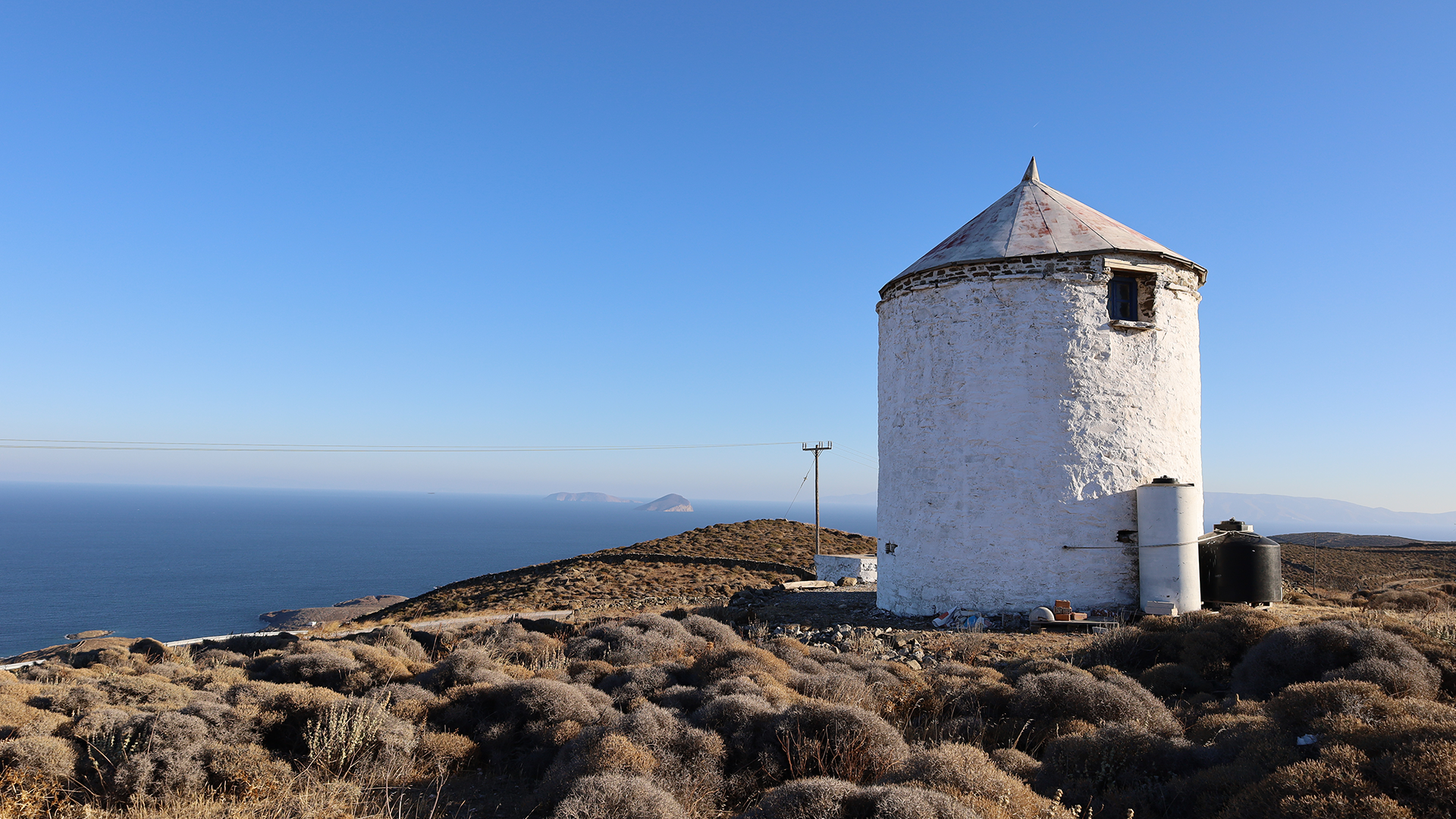
Tziotakis Windmill
The windmill of Tziotakis is the best preserve mill currently dominating the windmill complex of Dryopida. It was built in approximately 1910 using stone, it
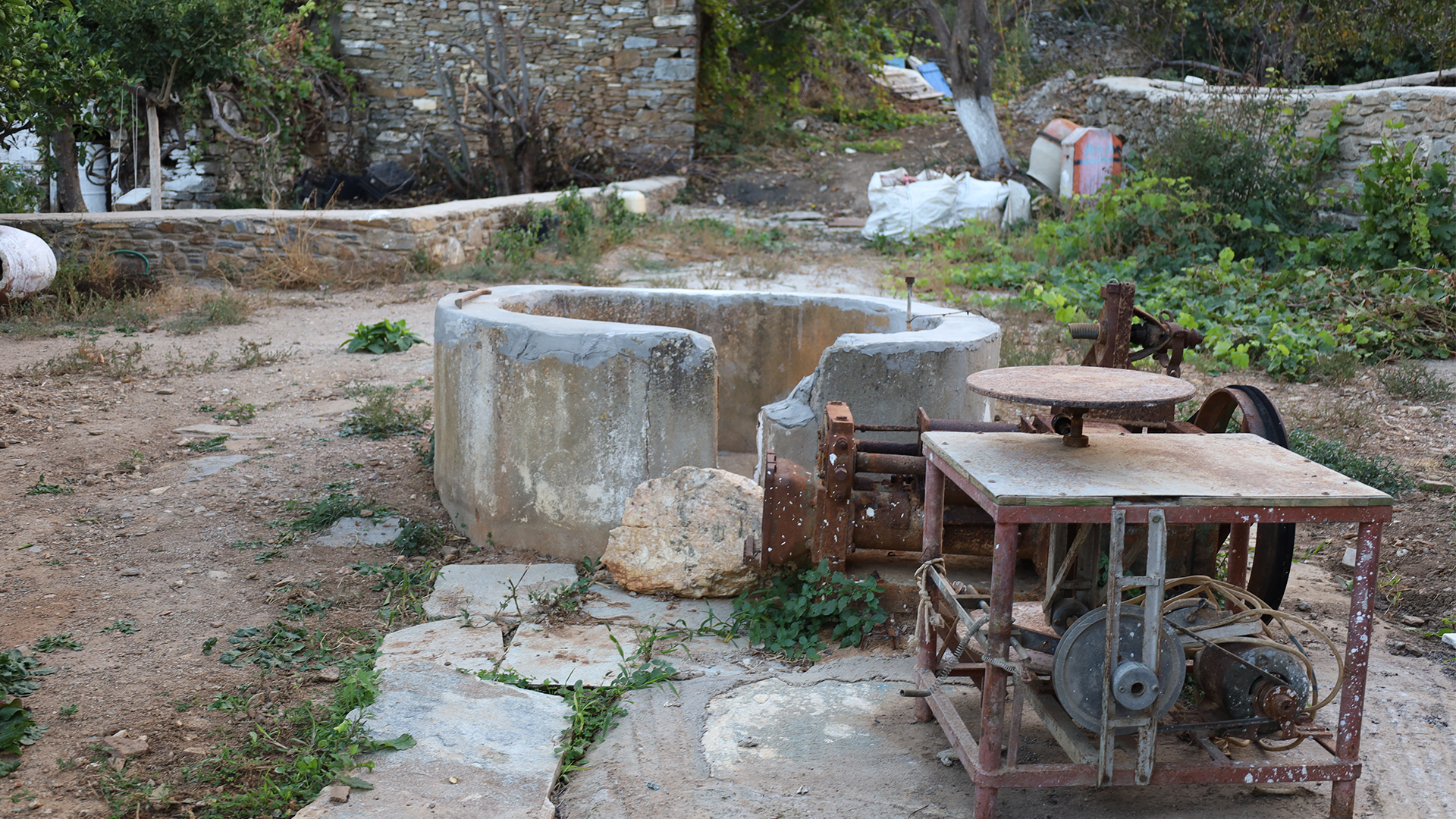
Pottery Workshop (Kiln) Milas
Ceramics in Kythnos Pottery and ceramics flourished on Kythnos from the mid-19th century until the late 20th century, with the arrival and permanent settlement of
Peristeriona in Chora, Kythnos hh
There are 6 peristeriones (dove houses) in Chora. The biggest, which gave its name to the district, is in the heart of Chora, on the
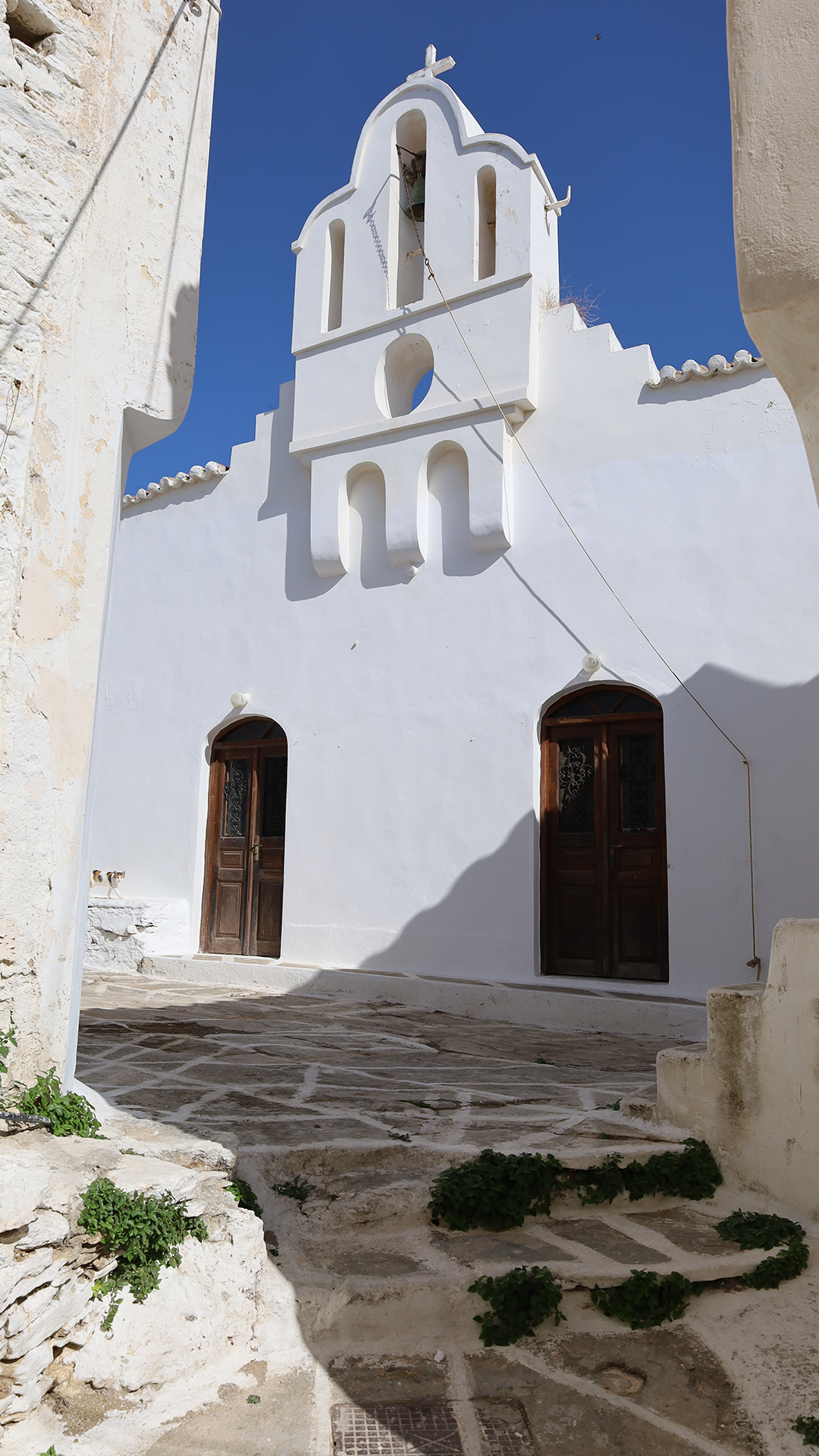
The Swing of Lambri (Account by Irene K. Vlastari)
Kythnos welcomes Easter dressed in its best garbs, its Lambriatika. On Easter Sunday, in Christos Square of Chora, a swing has already been set up

Terracing at Agios Tryphon
The impressive terracing is one of the most outstanding features of the rural landscape of Kythnos. They are called skales (steps), anavathmides (grading) or pezoules
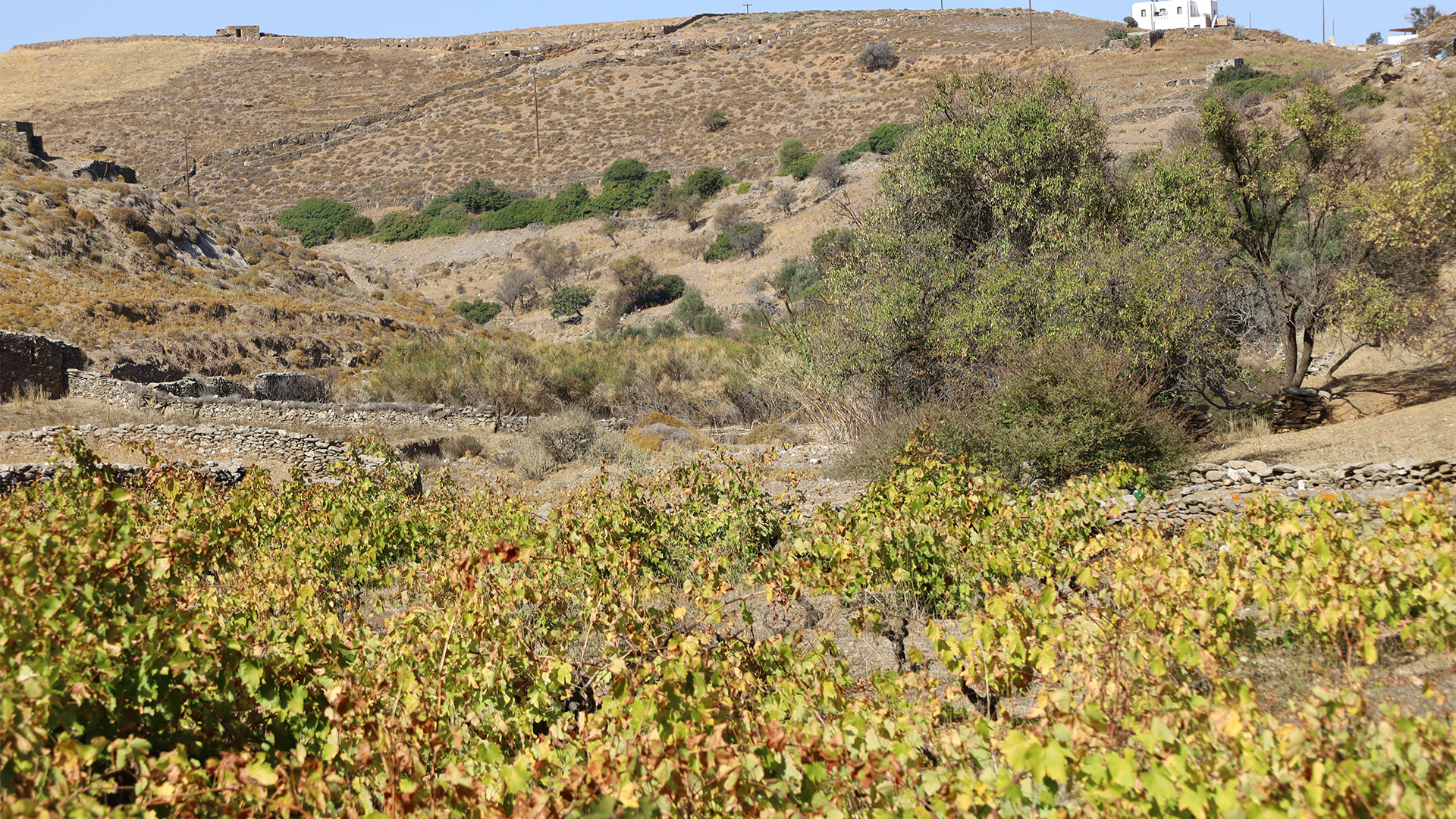
Rural landscape with a farmhouse, terracing and dry stone
The rural landscape is of particular cultural interest because it reveals people’s capacity to manage the natural environment in a sustainable and respectful manner, ensuring
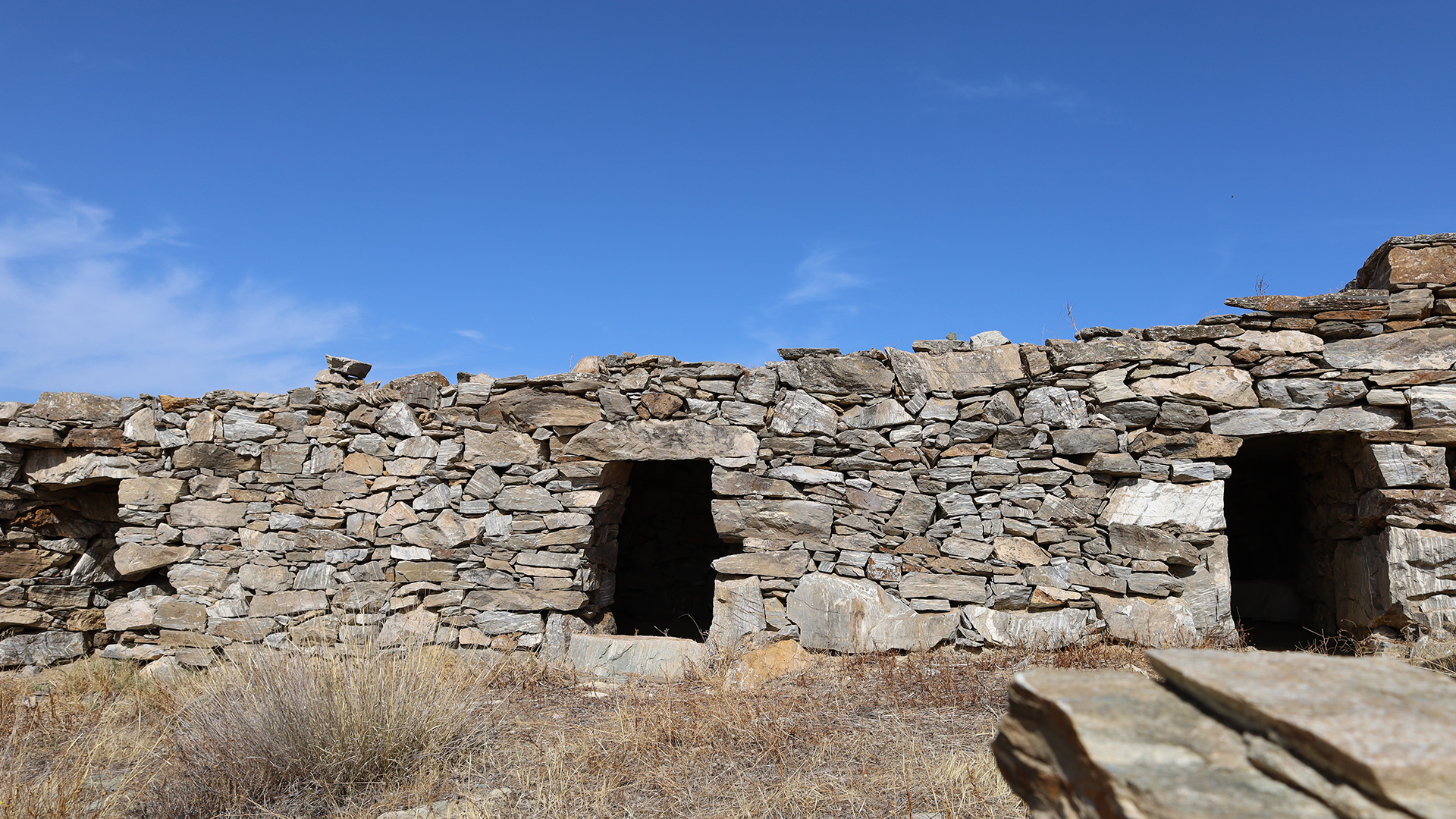
Two-cell rural residence on a hill above Schoinari
These small stone-built constructions are encountered in the countryside of the Cyclades; they are called kelia (cells). The are dry stone buildings and blend harmoniously